Book Review: “We the Women”
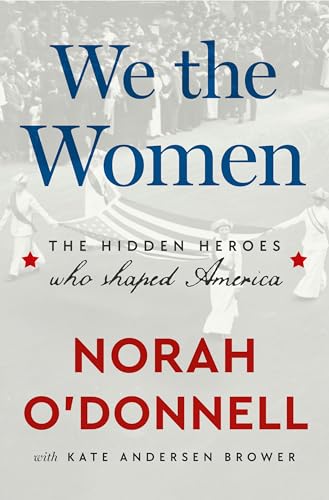
Book: We the Women

I am familiar with Norah O’Donnell from her role as a national newscaster.

I heard a radio interview several weeks ago in which Nora O’Donnell was talking about her new book titled We the Women: Hidden Heroes Who Shaped America. I was generally interested in the interview and the book for two reasons: I like Norah O’Donnell and I already have two other books on related topics. The two related books I have are Cokie Robert’s book Founding Mothers: The Women Who Raised Our Nations and Bonnie Angelo’s Fist Mothers: The Women Who Shaped the Presidents (I reviewed those two books here).

As I listed to Nora Roberts’ radio interview, I was hooked when she said that the printer who printed the U.S. Declaration of Independence was a woman – a woman who, as the printer, signed her name on the document. I wanted to know more about that woman. I ordered the book.

As I have started reading this book, I appreciate the tenacious research Nora O’Donnell – and, presumably, her co-author Kate Andersen Brower – did to find and learn about the women profiled in this book. I don’t recall hearing about these historical women in school (except Eleanor Roosevelt) – we likely didn’t hear about them. I was surprised to learn in the early part of the book that as our nation was heading toward the Revolution that we had a recognized black poet who compared Britain’s oppression of the colonies to slavery. I was surprised to learn that our first postmaster was an unmarried woman. Several of the signers of the Declaration of Independence knew – and interacted with – some of these women. I’m looking forward to more discoveries as I continue reading the book.

One of the noticeable structural features of We the Women: Hidden Heroes Who Shaped America is that its’ profiling of multiple historical women – 35 in all – makes it easily accessible to readers who wish to take in one historical person at a time. This book can be set out on a coffee table, inviting guests to learn about as many or as few of the book’s profiled individuals as the reader has time for in one sitting.

This book – and the other books mentioned above – are helping to broaden a fuller public understanding of the people – ALL THE PEOPLE – who were involved in shaping our nation. Hats off to the likes of Norah O’Donnell and Kate Andersen Brower who put in the effort to bring this information into the public sphere.. These books are a step toward making it sociologically natural to recognize both women and men’s contributions to our nation and society. I am glad that I am going to have this book on my bookshelf.

Bibliophile and would-be-antiquarian Kim Burkhardt reviews books at The Books of the Ages and at The Hermitage Within. If you are a new visitor, it would be great to have you follow this blog (thank you!). If you know someone who would like this blog, please share it with them (thank you!). FYI, you can $$ support this blog by clicking here here to do your Amazon shopping (if you click here before you start your Amazon shopping, Amazon pays us a commission when you shop via the link provided – thank you).
Book Review: How to be Old

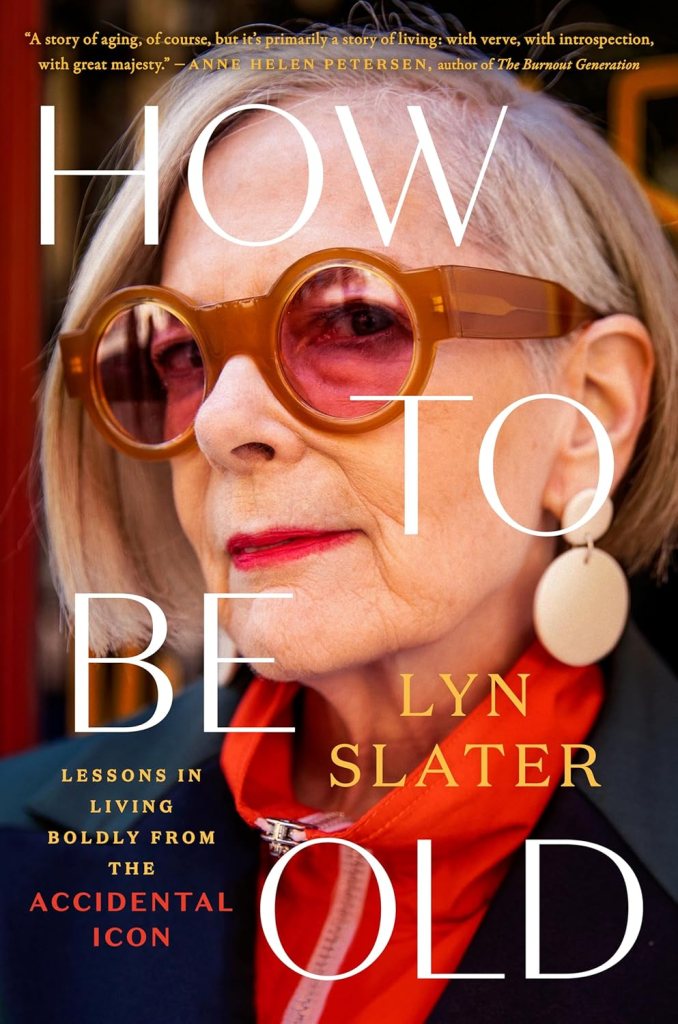
Book: How to be Old

I stumbled upon How to be Old recently on the website where I buy most of my books. (Confession: because I am doing another master’s degree, I am buying a lot of books. Therefore, I’m logging in almost daily to my go-to site where I order books – either looking for school-related books, ordering books, and/or watch tracking of the books I’ve ordered. If you are interested in good book-buying resources, check out my book-resources blog post).

I don’t recall just now what type of book algorythm resulted in the book site suggesting How to be Old, but it proved to be one of those occasional books that I order on-the-spot and site-unseen. I’m now nearly half-way through the book and I’m glad to be reading the book. When I’m done reading it, the book has a permanent home on the “pop culture” section of my bookshelves (do you also have some kind of personalized dewey decimal system for organizing books on your bookshelves?). Lyn Slater – the author of How to be Old – uses fashion to express herself; my bookshelves are similarly a personal form of self-expression. When I moved last time, I told my realtor that “I need a residence that has enough wall space for my bookshelves.” When I have guests over, I – as a book afficianado – want my guests to see what types of books I read; my bookshelves give my guests insight into who-I-am-based-on-what-I-read (e-books are not for me!). Okay, this self-explanation/description is actually in keeping with the writing style used by Lyn Slater in writing How to be Old.

How to be Old is proving to be the feel-good book I was hoping for when I stumbled upon it. Lyn Slater, as she describes in her book, insists on being present in her own life. She is doing what she wants to do and insists on persuing her life without fear in a way that brings her value. She writes of all of this in her own style – a style that makes her perspective accessible. I was thrilled to discover in this book that she – like me – refuses to be afraid of the darker counters of society, choosing instead to go explore those contours (I grew up “on the margins” and then volunteered in the prison system for twenty years – she also “goes to the darker contours”).

This book is accesssible, readable, and is a pragmatic pick-me-up. stumbled upon How to be Old recently on the website where I buy most of my books. (Confession: because I am doing another master’s degree, I am buying a lot of books. Therefore, I’m logging in almost daily to my go-to site where I order books – either looking for school-related books, ordering books, and/or watch tracking of the books I’ve ordered. If you are interested in good book-buying resources, check out my book-resources blog post).

I don’t recall just now what type of book algorythm resulted in the book site suggesting How to be Old, but it proved to be one of those occasional books that I order on-the-spot and site-unseen. I’m now nearly half-way through the book and I’m glad to be reading the book. When I’m done reading it, the book has a permanent home on the “pop culture” section of my bookshelves (do you also have some kind of personalized dewey decimal system for organizing books on your bookshelves?). Lyn Slater – the author of How to be Old – uses fashion to express herself; my bookshelves are similarly a personal form of self-expression. When I moved last time, I told my realtor that “I need a residence that has enough wall space for my bookshelves.” When I have guests over, I – as a book afficianado – want my guests to see what types of books I read; my bookshelves give my guests insight into who-I-am-based-on-what-I-read (e-books are not for me!). Okay, this self-explanation/description is actually in keeping with the writing style used by Lyn Slater in writing How to be Old.

How to be Old is proving to be the feel-good book I was hoping for when I stumbled upon it. Lyn Slater, as she describes in her book, insists on being present in her own life. She is doing what she wants to do and insists on persuing her life without fear in a way that brings her value. She writes of all of this in her own style – a style that makes her perspective accessible. I was thrilled to discover in this book that she – like me – refuses to be afraid of the darker counters of society, choosing instead to go explore those contours (I grew up “on the margins” and then volunteered in the prison system for twenty years – she also “goes to the darker contours”).

Lyn Slater’s book is accessible, readable, practical. Hers is not a psycho-babble pick-me-up, but a pragmatic life-honestly-lived look at living well. If Anne Lamott were writing about being a fashion-blogger in New York who insists on navigating life in a personally meaningful way, this type of book (How to be Old) could possible be the result.

Bibliophile and would-be-antiquarian Kim Burkhardt reviews books at The Books of the Ages and at The Hermitage Within. If you are a new visitor, it would be great to have you follow this blog (thank you!). If you know someone who would like this blog, please share it with them (thank you!). FYI, you can $$ support this blog by clicking here here to do your Amazon shopping (if you click here before you start your Amazon shopping, Amazon pays us a commission when you shop via the link provided – thank you).
Book Review: Coming Up Short by Robert Reich

Book: Coming Up Short

I started reading Robert Reich’s blog a year or two ago based on the recommendation of a friend (more specifically, the blog arrives in my email in-box daily. Some days I open it up and read it…..).

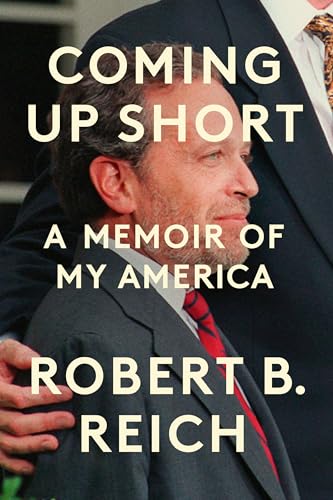
When I read Robert Reich, I always look forward to his self-deprecating “short jokes.” I am one inch taller than Robert Reich, so I understand the challenges of being a small adult (I don’t know if he has his clothes tailored or if he found a niche place to buy clothes, but my height – or lack thereof – is one of the reasons I own a sewing machine. I alter some of the clothes I buy retail. I also make some of my own clothes so that I get clothes that I like AND that fit…..) In the same vein as his choice of photos for this book’s cover, I carry around a photo of me standing next to a relative who is 6′ 11″. When Robert Reich’s latest book came out – Coming Up Short: A Memoir of My America – I decided, partly because of the play-on-words title, that I’m “up” for reading it.

When I got my copy of the book arrived, I had every expectation that this book is going to be worth reading. I started with the promotional quotes on the back cover; one of the blurbs started with, “Being bullied as a child helped Robert Reich become a champion for the little guy.” Books that are informative and provide us with personal value are doubly – more than doubly – valuable; it’s taken me until recently to see aspects of my life that “add value” to what I bring to the table….

Okay, enough about how and why I am personally drawn to this book.

Reading clear-eyed memoirs by national leaders have an opportunity to contribute to thoughtful citizenship. The last book I reviewed – Angela Merkel’s “Freedom” memoir – offered the insights of a political figure who I admire for both her politics and her gender. In the case of Robert Reich, he speaks of national matters with clarity.

In Coming Up Short, Reich writes on topics that resonate with everyday Americans. He does so by starting his book – in the first chapter – by talking about the bullies he encountered growing up. In getting broadly to topics affecting every day Americans, the blurb on the inside cover indicates that Reich will write how America can “reclaim a sense of community.” A friend mentioned to me a couple years ago that “The U.S. today isn’t the U.S. I remember growing up” – I got the sense from what he said that a loss of community was part of what he has seen disappear. More recently, I saw a guy walking down the street wearing a shirt that read “I miss the America that I grew up in” – ditto. I am looking forward to getting to the part of Coming Up Short that discusses rebuilding community.

Beginning with the early pages of Coming Up Short, Robert Reich alternates between two useful types of insight: generating hope in what American can be and writing in a way that resonates – with frank insight – about what’s going wrong in America and how those errors have come to be in recent decades. Now that I have started reading this book, I appreciate having it for my evening reading.

Bibliophile and would-be-antiquarian Kim Burkhardt reviews books at The Books of the Ages and at The Hermitage Within. If you are a new visitor, it would be great to have you follow this blog (thank you!). If you know someone who would like this blog, please share it with them (thank you!).

Trade Talk: New Indie Book Bestseller Lists

Publisher’s Weekly has announced that “The Independent Publishers Caucus, a collective of 117 small and independent publishers, has announced the launch of a new weekly bestseller list in partnership with the American Booksellers Association, creating what organizers say is the first national ranking focused exclusively on independent press titles sold at independent bookstores…Dubbed the Independent Press Top 40” (find the rest of PW’s article here).

Regularly publicizing a ranking of independent press titles (“indie books”) sold at independent bookstores is a great idea. This promotes small businesses. It provides attention for authors whose voices might not otherwise be getting large-scale public notice – making it more possible for readers to discover new-to-them authors.

A couple of examples demonstrate the value of this “Independent Press Top 40” list.

  • I personally buy several books per year from several niche publishers in a specific industry whose books (topics) I value. I happen to be “in the know” about the particular market for which these book publishers provide titles, so I know to follow these publishers. With that said, I know people who would likely want to read the same types of books I’m reading, but who aren’t likely familiar with the publishers whose websites I visit regularly. Any mechanism that supports “get out the word” for such indie publishers is a win-win-win-win for publishers, authors, readers, and the sustainability of “shop local” business practices.
  • My hometown (Bellingham, Washington) – like many communities – has a beloved local bookstore. Village Books and Paper Dreams is a valued hub in the community. This new weekly national “Independent Press Top 40” ranking is another way to keep such small bookstores in the public eye – thereby supporting great businesses.

While we’re talking indie booksellers, I’m happy to plug my two favorite online booksellers:

  • Hamilton Books. Based in Connecticut, Hamilton Books is based in Connecticut, USA and has been around since 1969. They specialize in selling discounted books to U.S. customers. I love Hamilton Books. They sell books via their website and a print magazine. I discovered them more than twenty years ago when they somehow got my name and mailing address; they sent me one of their magazines listing a sampling of their book inventory. It was actually their magazine that I fell in love with – their listing of quirky and off-the-wall titles of available books. I started buying from them for the purpose of staying on their mailing list (this is a sentence that every marketer wants to read!). Reading their lists of “off-the-wall titles” – such as “off the beaten track” historical books and books on political and religious conspiracy theories from “every end the political and religious spectrums” – literally became Friday night entertainment for me.
  • Thrift Books (their marketing angles: “gift more, spend less” and “read more, spend less”). This Washington State-based bookseller calls themself “the largest online independent used book seller. A friend told me about them last spring; I have already purchased enough books to achieve their highest reader/purchaser tier of “Literati Elite.” Their “Reading Rewards” program is simple yet fun – the more you buy, the more book-buying benefits you get….. Their membership tier program seems to be tied into our digital age approach to tapping dopamine receptors – our brains get a “dopamine high” every time we “like” or “achieve” something via a click-of-the-mouse….. Of course, book lovers like joining “Literati Elite” status……

I encourage you to click on this weekly Independent Press Top 40 and add to however you track websites that you visit regularly (add it to your browser faves, whatever). You just might find your next great read!

Bibliophile and would-be-antiquarian Kim Burkhardt reviews books at The Books of the Ages and at The Hermitage Within. If you are a new visitor, it would be great to have you follow this blog (thank you!). If you know someone who would like this blog, please share it with them (thank you!).

Book buying options for Bibliophiles….

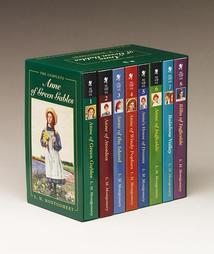
Set of books

Book lovers like to “know our options” for book purchasing. Therefore, I dedicate this blog post to profiling several options for ordering books.

Independent Book Stores

Supporting small, local businesses is important for the health of our communities. Browsing a bookstore is good for the soul and brings us into conversation with fellow book lovers.

  • My personal favorite local bookstore is Village Books in my hometown of Bellingham, Washington. Village Books creates community for local residents via their engaging, locally-loved bookstore and coffee shop. They will help book seekers “find any book that exists.” They also support local authors – they carried a couple of books that I self-published (thank you!).
  • The website “Independent Bookstores.ca” lists indie bookstores across Canada. This website is a great resource!
  • I currently live in Greater Seattle, so I would be remiss for not mentioning Seattle indie bookstore Elliott Bay Books. Because Seattle is a dog-loving city, dogs are welcome at Elliot Books. Every dog that comes in the door with a book reader gets their photo posted on Elliott Bay Book’s Instagram feed (I really should take my cat in to see if they’ll take her photo!).

National Bricks-and-Mortar Bookstores

In-person bookstores are important. Supporting brick-and-mortar stores are good for the economy. Again, browsing a bookstore is good for the soul and brings us into conversation with fellow book lovers. I buy from Barnes and Noble in the U.S.

Online and/or magazine-based book retailers (alphabetical):

  • Abe Books. Based in Victoria, B.C. – with an additional office in Munich, Germany – Abe Books has been selling discount books online since 1996. They also sell fine art and collectibles. I bought a few books from them in my earliest days online. My favorite reason for liking Abe Books is that they are Canadian!
  • Hamilton Books. Hamilton Books is based in Connecticut, USA and has been around since 1969. They specialize in selling discounted books to U.S. customers. I love Hamilton Books. They sell books via their website and a print magazine. I discovered them more than twenty years ago when they somehow got my name and mailing address; they sent me one of their magazines listing a sampling of their book inventory (I was living in B.C. and drove weekly to check my Washington State mail box where I received my U.S. mail). It was actually their magazine that I fell in love with – their listing of quirky and off-the-wall titles of available books. I started buying from them for the purpose of staying on their mailing list (this is a sentence that every marketer wants to read!). Reading their lists of “off-the-wall titles” – such as “off the beaten track” historical books and books on political and religious conspiracy theories from “every end the political and religious spectrums” – literally became Friday night entertainment for me. I actually have a stack of their magazines to give my book-loving friends. One of the books I ordered from Hamilton Books was written by a church minister who “made the case” that the Gospel of Mark was written by an astrologer (The Gospel and the Zodiac) – my curiosity wanted to know what the minister had to say…..
  • Thrift Books (their marketing angles: “gift more, spend less” and “read more, spend less”). This Washington State-based bookseller calls themself “the largest online independent used book seller” and state that they opened in 2003. A friend told me about Thrift Books last spring; I have already purchased enough books to achieve their highest reader/purchaser tier of “Literati Elite.” Their “membership tier” (“Reading Rewards”) program is simple yet fun – the more you buy, the more book-buying benefits you get….. Their membership tier program seems to be tied into our digital age approach to tapping dopamine receptors – our brains get a “dopamine high” every time we “like” or “achieve” something online via a click-of-the-mouse….. Of course, book lovers like joining “Literati Elite” status…… For every-so-many-dollars-spent, a book buyer qualifies for a free book “up to an X dollar amount” (just pay for shipping) – I’m using this member benefit to order books I want to give friends [in case you’re wondering what I’m gifting to my book-loving friends, I’m currently collecting shipping-only copies of The Gentleman from Finland (a book from a Seattle travel writer that made me laugh so hard I cried) and The Shadow of the Wind (opposite response – this novel based in 1945 Barcelona actually sent me into a dark, downward emotional tailspin but this NYTimes bestseller was so well written that I had to finish it. I am looking forward to when I’ve forgotten enough of the book to read it again)].

Encyclopedic Book Listings

Amazon-owned Goodreads provides a book equivalent to the Internet Movie Database (IMDB), listing a very broad listing of books and providing a profile of each book. A straightforward way to find – and find out about – books.

Bibliophile and would-be-antiquarian Kim Burkhardt reviews books at The Books of the Ages and at The Hermitage Within. If you are a new visitor, it would be great to have you follow this blog (thank you!). If you know someone who would like this blog, please share it with them (thank you!).

Book Review: The Shadow of the Wind

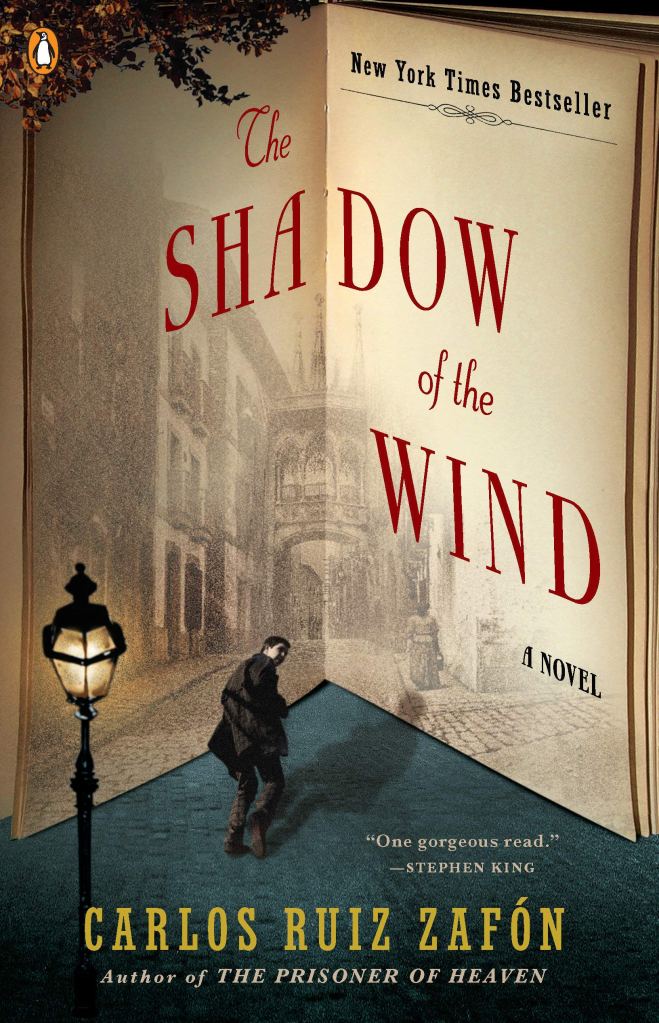
Book: The Shadow of the Wind
The Shadow of the Wind

I came upon Carlos Ruiz Zafon’s The Shadow of the Wind during COVID. I was out walking one day (alone, of course, there was a pandemic on….) and stopped at a Little Free Library in North Seattle. I went home with a whirlwind of a psychological thriller that captivated my imagination for weeks.

The Shadow of the Wind is set in Barcelona in 1945. This novel is wonderfully about books. And about people. And Barcelona. And, psychological suspense.

In this book, the writer manages to keep much in “the shadows” throughout the book – no way to “catch the whodunnit.” We are taken on the wind through the suspense of plot. Bottom line, Carlos Ruiz Zafon knows how to write.

This novel is dark. I attest to the author’s ability to write – the novel’s darkness took me into the depths of a dark despair. However, I couldn’t put the book down. When I had started reading a different book (several years earlier) that also led me into the depths of despair, I donated that other book to the library to get it out of my house rather than continue reading it. This book, however, doesn’t provide that option. I was so emotionally drawn into the book that I had to continue reading it. When I got to the end of the book, I was glad to have read it.

I’m looking forward to when I’ve forgotten enough details of the book that I can read it again. When I read it again, I’m going to be prepared for the depths to which the book takes the reader. The Shadow of the Wind is a must-read.

Bibliophile and would-be-antiquarian Kim Burkhardt reviews books at The Books of the Ages and at The Hermitage Within. If you are a new visitor, it would be great to have you follow this blog (thank you!). If you know someone who would like this blog, please share it with them (thank you!).

Faith Reading challenge: The Brothers Karamazov

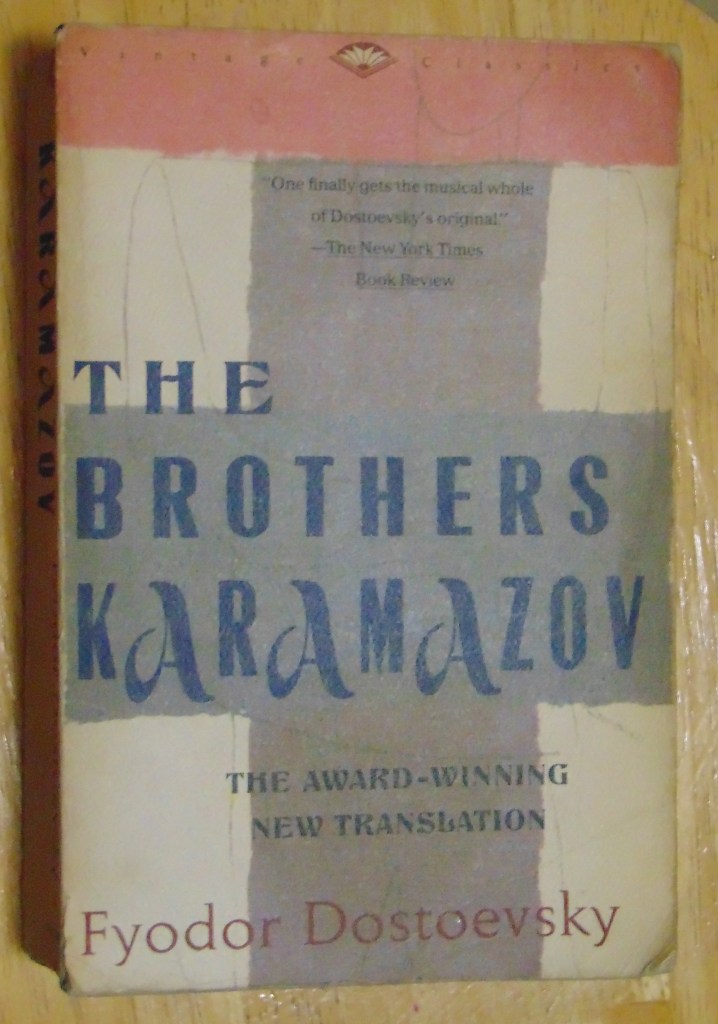
The Brothers Karamazov

I took a literature class in college in which we read Dostoevsky’s The Brothers Karamazov.

I attended a state university and we read The Brothers Karamazov as secular literature. While we read the book as secular literature, I do remember our instructor posing a question about a particular point for one of the books’ characters. I found myself responding as seeing the character as analagous to a friend of mine who was serving as a spiritual guide for me at the time. My instructor and classmates found this odd and laughed as such. It was an awkward moment.

Since then, I have periodically heard reference to “The Brothers K” as being a book – in part – about faith. Goodreads (an online book portal) says of the book, “Through the gripping events of their story, Dostoevsky portrays the whole of Russian life, is social and spiritual striving, in what was both the golden age and a tragic turning point in Russian culture.”

Because I have repeatedly heard of the book as having spirituality dimensions, I am planning to read “The Brothers K” again, after I finish reading another book (a long book that I’m reading rather slowly). This time, I will read “The Brothers K” through the lens of spirituality. I invite each of you to join me in reading the book to consider its’ faith dimensions; we can then discuss the faith ideas in book.

Put May 1 on your calendar as the date to start reading The Brothers Karamazov through the lens of faith. I will post dates to begin discussing the book.

Kim Burkhardt blogs at The Books of the Ages and A Parish Catechist (and a “Content Creator/Individual” member of the Association of Catholic Publishers). If you are a new visitor, it would be great to have you follow this blog (thank you!). If you know someone who would like this blog post, please share it with them (thank you!).